
#BigHistory #BookReview #Complexity #ITBio #OriginOfLife #Philosophy #Physics #QuantumMechanics #SeanCarroll #TheTwoCultures
@natalieasis Having worked in publishing/entertainment and having a knowledge base of IT, complexity, let me know how I can help.
I've never met Mark, but we both seem to like to read a lot of the same stuff within math & science. Glad to have you join in on the fun.
If you're interested in information theory and complexity as they relate to biology/microbiology, you might find my Mendeley.com group of interest: https:/
I'm curious if you use a journal aggregation tool and, if so, how you fit it into your workflow?
I also keep some additional static resources on my "blog" cum "online notebook" at http:/
A nice rememberance of Seymour Papert (1928-2016) in Computational Complexity by @Fortnow http:/
@devonzuegel I came across your blog serendipitously and was impressed with some of the nifty tools you've implemented as well as the workflow you seem to have worked out vis-a-vis your website and miscellaneous tools. Thanks for sharing it all!
The idea of Instanote is intriguing to me, though I've been using MS OneNote instead of Evernote, which I've sampled several times. In addition to InstaPaper's API, I've previously used IFTTT.com to port over highlights. I've also been experimenting around with using http:/
Given the way you use your website(s) for both identity and knowledge gathering (and owning your own data), I feel compelled to mention a group of hackers working in loose (but very open and very collaborative) concert at http:/
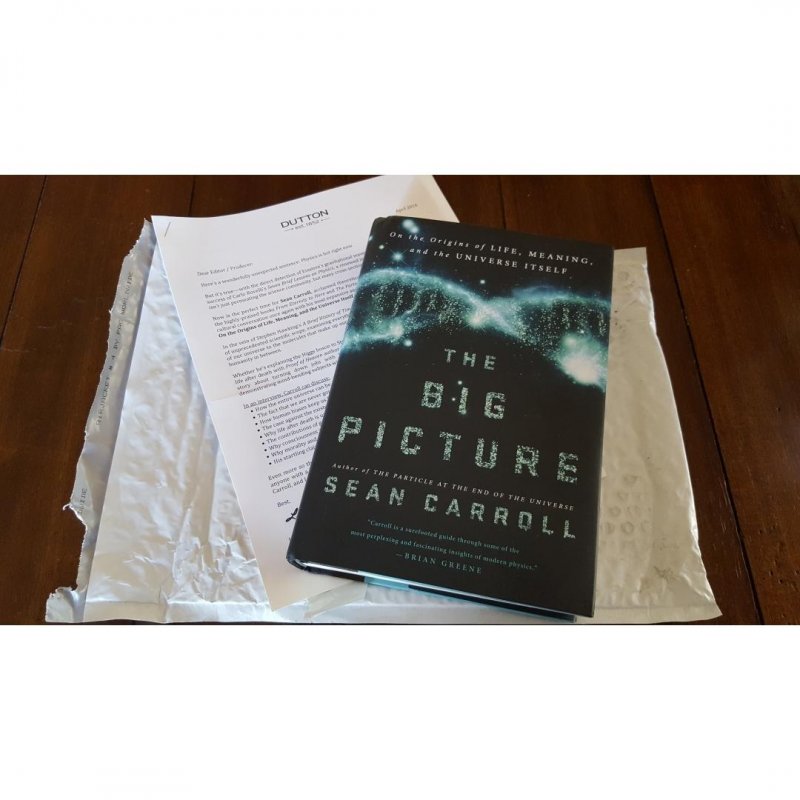
Also given the terrific overlap in books we're reading/read, I might recommend physicist Sean Carroll's relatively new book The Big Picture (particularly part 4 on Complexity) which had some overlap on topics like Schelling's model of segregation as they relate to complexity and spontaneous organization which you may find interesting.
Updated list of upcoming Information Theory and Biology related Conferences and Workshops http:/
Introduction to Agent-Based Modeling https:/
@cesifoti This paper on history and complexity/network theory made me think of some of your work: http:/
There's apparently a growing movement in #complexity & #entropy overlapping the #indieweb: @michielbdejong @chrisaldrich